The ICC Men's T20 World Cup 2026 was built to test whether home advantage still means anything in the shortest format. Twenty teams, 55 matches, eight venues across India and Sri Lanka — and at the end of it, on 8 March 2026 in Ahmedabad, India beat New Zealand by 96 runs to do three things no men's team had done before: defend the T20 World Cup, win it three times, and win it as hosts.
This overview covers the whole month: the records that fell, the player who owned the tournament's last week, and what T20 cricket at this pace asks of the equipment in your kit bag.
The tournament at a glance
Series summary — ICC Men's T20 World Cup 2026
- Dates / hosts: 7 February – 8 March 2026, India and Sri Lanka (10th edition)
- Format: 20 teams — 40 group matches, 12 Super 8 matches, 2 semi-finals, final
- Champions: India — beat New Zealand by 96 runs in the final (255/5 v 159)
- Player of the tournament: Sanju Samson (India) — 321 runs in 5 matches
- Most runs: Sahibzada Farhan (Pakistan) — 383, a record for one edition
- Most wickets: Jasprit Bumrah and Varun Chakravarthy (India) — 14 each
The Samson week
Sanju Samson played only five matches. He decided three of them in a row, at the exact point of the tournament where decided matches end seasons.
- 97 not out against West Indies in the Super 8 decider that put India in the semi-finals.
- 89 off 42 against England in a semi-final at the Wankhede where the two teams stacked up 499 runs between them — the highest aggregate in T20 World Cup history.
- 89 off 46 in the final, the highest score by a batter in a Men's T20 World Cup final.
His 321 runs passed Virat Kohli's 319 from 2014 as the most by an Indian in a single edition, and his 24 sixes set a new record for one tournament. Player of the Tournament was the least surprising award of the month.
The records that fell
This edition rewrote the top of several lists at once. Pakistan's Sahibzada Farhan scored 383 runs, the most in a single T20 World Cup, and became the first batter to hit two centuries in one edition. The top three run-scorers of all time for a single edition — Farhan (383), Tim Seifert (326) and Samson (321) — all came from this one tournament. India's 255/5 in the final is the highest total in a T20 World Cup final, and their 92 in the powerplay equalled the highest powerplay score in T20 World Cup history.
With the ball, the final word belonged to Jasprit Bumrah: 4 for 15 in the final, 14 wickets for the tournament, and a career T20 World Cup tally of 40 wickets — the most by any fast bowler in the competition's history.
The supporting cast
New Zealand's run to the final ran through Finn Allen, whose 100 not out off 33 balls destroyed South Africa in the first semi-final at Eden Gardens. England's Jacob Bethell made 105 off 48 in that 499-run semi-final and still finished on the losing side. Canada's Yuvraj Samra scored 110, the highest individual innings of the tournament. Will Jacks collected four Player of the Match awards, matching Shane Watson's 2012 mark. Zimbabwe's Blessing Muzarabani and the USA's Shadley van Schalkwyk each took 13 wickets — a reminder that the gap between the top eight and the rest keeps closing in this format.
How the month unfolded
The group stage set the terms. India beat the USA by 29 runs in their opener at the Wankhede, beat Namibia by 93 runs in Delhi, and won the Colombo fixture against Pakistan by 61 runs on 15 February — India 175/7, Pakistan 114 all out. Pakistan's campaign became the tournament's paradox: Sahibzada Farhan scored more runs than anyone in T20 World Cup history across a single edition, including two centuries, and Pakistan still went home before the semi-finals on net run rate.
The Super 8 stage is covered match by match in our roundup post, but two results shaped everything after. Samson's unbeaten 97 against West Indies on 1 March carried India into the last four and changed their batting order's centre of gravity. And New Zealand's semi-final demolition of South Africa at Eden Gardens — Finn Allen's 100 not out off 33 balls chasing 170 — announced that the final would not be a coronation walk for anyone.
The second semi-final, India 253/7 against England 246/7 at the Wankhede, was the best match of the tournament: 499 runs, Jacob Bethell's 105 off 48 in a losing chase, and Samson again, 89 off 42. Our final report covers the Ahmedabad decider in full; the point for the overview is that India won the tournament twice over — once in that semi-final, against the side playing the most fearless cricket in the event, and again three days later when it counted.
Why this title is different from 2024
Champions usually defend with the same core. India defended with a new top order. Samson, Abhishek Sharma and Ishan Kishan set the tournament's tempo, and the bowling was shared between the joint leading wicket-takers in the event — Bumrah and Varun Chakravarthy, 14 each, one pace, one spin. Add home pressure, which has undone host sides in this format before, and the defence looks less like continuity and more like a second, separate achievement. The record books will list it plainly: first team to defend the title, first to win three, first host to win. The plain listing undersells it.
The event was staged at eight grounds in seven cities, from Chennai and Kolkata to Colombo, and the final's broadcast peaked at 72.5 million concurrent viewers. Numbers like that explain why this format now sets the calendar — and why a home defence, watched by that many people, carries a weight no bilateral series can copy.
The tournament in numbers
Most runs — ICC Men's T20 World Cup 2026
| Player | Team | Runs | Average | Strike rate |
|---|---|---|---|---|
| Sahibzada Farhan | Pakistan | 383 | 76.60 | 160.25 |
| Tim Seifert | New Zealand | 326 | 46.57 | 166.33 |
| Sanju Samson | India | 321 | 80.25 | 199.38 |
| Ishan Kishan | India | 317 | 35.22 | 193.29 |
| Finn Allen | New Zealand | 298 | 49.67 | 200.00 |

Most runs — ICC Men's T20 World Cup 2026 — Chart: Moor Gears
Most wickets — ICC Men's T20 World Cup 2026
| Player | Team | Wickets | Average | Economy |
|---|---|---|---|---|
| Jasprit Bumrah | India | 14 | 12.43 | 6.21 |
| Varun Chakravarthy | India | 14 | 20.50 | 9.26 |
| Shadley van Schalkwyk | USA | 13 | 7.77 | 6.81 |
| Blessing Muzarabani | Zimbabwe | 13 | 14.46 | 7.89 |
| Adil Rashid | England | 13 | 19.23 | 8.15 |

Most wickets — ICC Men's T20 World Cup 2026 — Chart: Moor Gears
Two things worth staring at. The top three run-scorers in the history of single T20 World Cup editions all came from this one tournament — Farhan, Seifert and Samson each passed Virat Kohli's 319 from 2014. And the wickets table is topped by the champions' pair, one quick and one spinner, with an American and a Zimbabwean in the top four. The format's map is being redrawn in both columns.
What went right
- India's rebuild worked at the first attempt. Defending champions usually cling to the old side for one tournament too long. India handed the top order to Samson, Abhishek Sharma and Ishan Kishan — 317 runs at a strike rate of 193 for Kishan alone — and defended a title nobody had ever defended, at home, in front of a final crowd of 86,824.
- The tournament's batting ceiling rose again. A 255/5 in the final, a 499-run semi-final, a 33-ball hundred from Finn Allen, the highest individual score of the event from a Canadian teenager. Every edition of this tournament resets what a good T20 total is; 2026 reset it violently.
- The gap really is closing. The USA's van Schalkwyk averaged 7.77 per wicket — the best average of any bowler with ten or more wickets — and Zimbabwe's Muzarabani took 13. Associate and rising-nation bowlers are no longer making up the numbers in these tables; they are near the top of them.
What went wrong
- Pakistan's paradox. Farhan scored the most runs in a single edition in history — 383, with two centuries, a first for the event — and Pakistan still went home before the semi-finals on net run rate. One man's record tournament, wasted by a team that could not win the matches around him.
- Australia never got started. The 2021 champions did not survive the group stage, winning two of four. For a side that treats this tournament as a birthright, a first-week exit is the result of the event that will take longest to explain at home.
- India's one wobble was real. The Super 8 loss to South Africa in Ahmedabad ended a 12-match T20 World Cup winning streak and left the hosts needing Samson's 97 not out against West Indies to reach the semi-finals at all. The defence looks serene in the record books. It was not serene on 22 February.
Emerging names
- Yuvraj Samra (Canada) — 110, the highest individual score of the tournament, from a teenager playing for an associate nation. Canada keep producing cricketers the big leagues have to notice.
- Brian Bennett (Zimbabwe) — 292 runs at an average of 146.00, the tournament's highest, with four not-outs in six innings. A finisher's numbers from a young opener's tournament.
- Shadley van Schalkwyk (USA) — 13 wickets at 7.77 apiece and an economy of 6.81. American cricket's bowling has a face now, and it is his.
- Jacob Bethell (England) — 280 runs for the tournament and 105 off 48 in a semi-final his side lost by seven runs. England's next era has a centrepiece.
What to watch next
The next Men's T20 World Cup is in Australia and New Zealand, from 12 October to 12 November 2028 — confirmed in the ICC's calendar. That changes every question this tournament asked. Can India's power game travel to faster, bouncier pitches? Do New Zealand, co-hosts this time, finally convert a final after defeats in 2021 and 2026? And does the chasing pack — England's Bethell generation, South Africa's perennial nearly-men, the USA and Zimbabwe bowling attacks that just announced themselves — close the last gap in conditions that reward pace over spin? Two years will fly by.
The coach's eye
Samson's 97 not out against West Indies is the coaching clip of the tournament. Chasing 196 at Eden Gardens, he made his runs with 12 fours and four sixes — placement first, power second. In a must-win chase, he did not need to clear the rope every over. He found gaps, kept the rate near ten, and was still there at 199 for 5 in 19.2 overs. Young batters should watch the shot selection, not the score.
Bumrah's value showed most in a defeat. Against South Africa in the Super 8 opener, India lost by 76 runs and were bowled out for 111 chasing 188. Bumrah still took 3 for 15, and reached 33 career wickets to become India's leading wicket-taker in T20 World Cups. Good length does not stop working because the batters at the other end have failed.
The semi-final against England turned on death bowling. India had 253, Jacob Bethell had 105 off 48, and England needed 45 off the last three overs. Bumrah's 18th over cost six. Hardik Pandya's penultimate over cost nine, even with Bethell reaching his hundred in it, and Sam Curran fell in it too. That left 30 off the last over, and Shivam Dube bowled it: Bethell was run out off its first ball, by Pandya's throw, and England finished seven short. The coaching point is the sequence — the game was closed by the two overs before the last one, not in it.
What most people missed
- Samson barely saw the start of his best innings. Cricbuzz's ball-by-ball record notes he did not face any of the first 10 balls against West Indies, as Abhishek Sharma kept the strike. The 97 not out was built from a standing start, in a chase his side could not afford to lose.
- Cole McConchie's quiet spell put New Zealand in the final. Finn Allen's hundred took the semi-final headlines, but South Africa were held to 169 for 8 first, with McConchie taking 2 for 9 and Rachin Ravindra 2 for 29. Allen could only play that freely because the target stayed chaseable.
- Allen's hundred had almost no quiet balls in it. His 100 not out off 33 balls against South Africa contained just four dot balls, and he went from fifty to a hundred in 14 balls. The second half of the innings, not the powerplay, is where that chase was actually won.
The bit that stays with you
Canada's Yuvraj Samra is a teenager. He made 110, the highest score of the whole tournament — higher than Samson, higher than Farhan, higher than anyone from India, Australia or England. Somewhere in Canada there is a coach who marked his run-up, a parent who drove him to winter nets, a club side that put a kid in against adults because he kept scoring. That is the part of a World Cup the trophy cannot show you. The big teams bring academies and analysts. The smaller teams bring one player who has a month he will tell his grandchildren about, and a generation of kids back home who now think the door is open to them too. Samra's 110 will sit in a record table. What it does in schoolyards and indoor centres across Canada matters longer, and it is why a 20-team tournament is worth every extra fixture it takes to stage.
Gear corner: what T20 at this speed demands
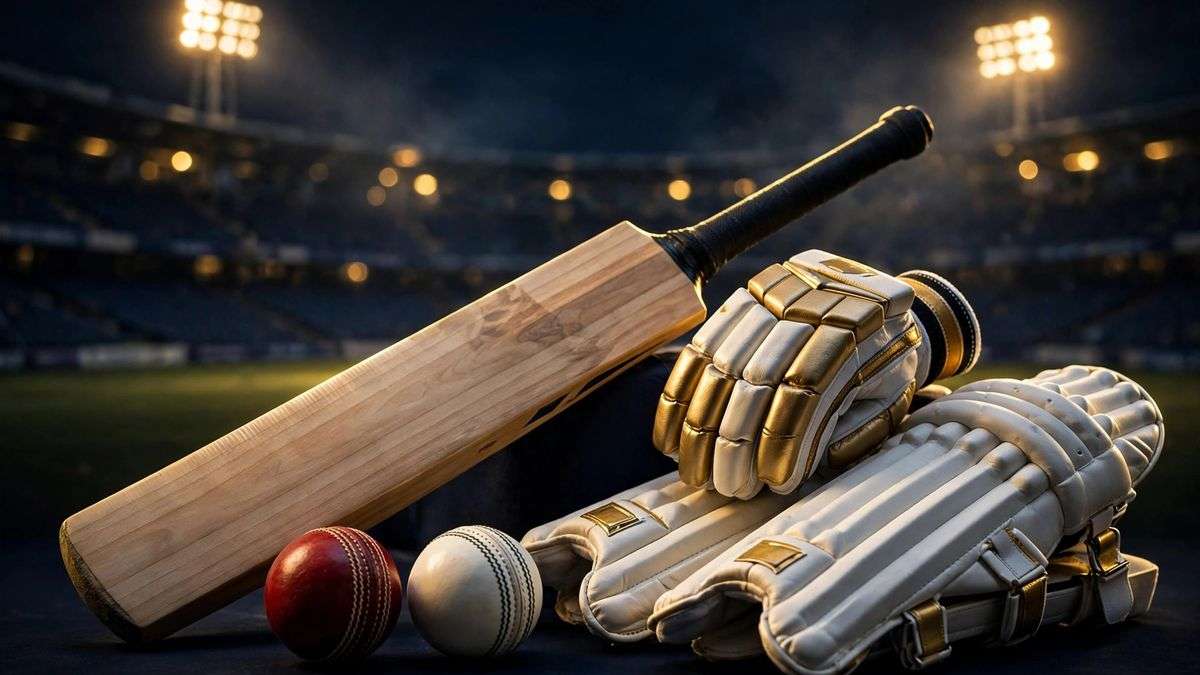
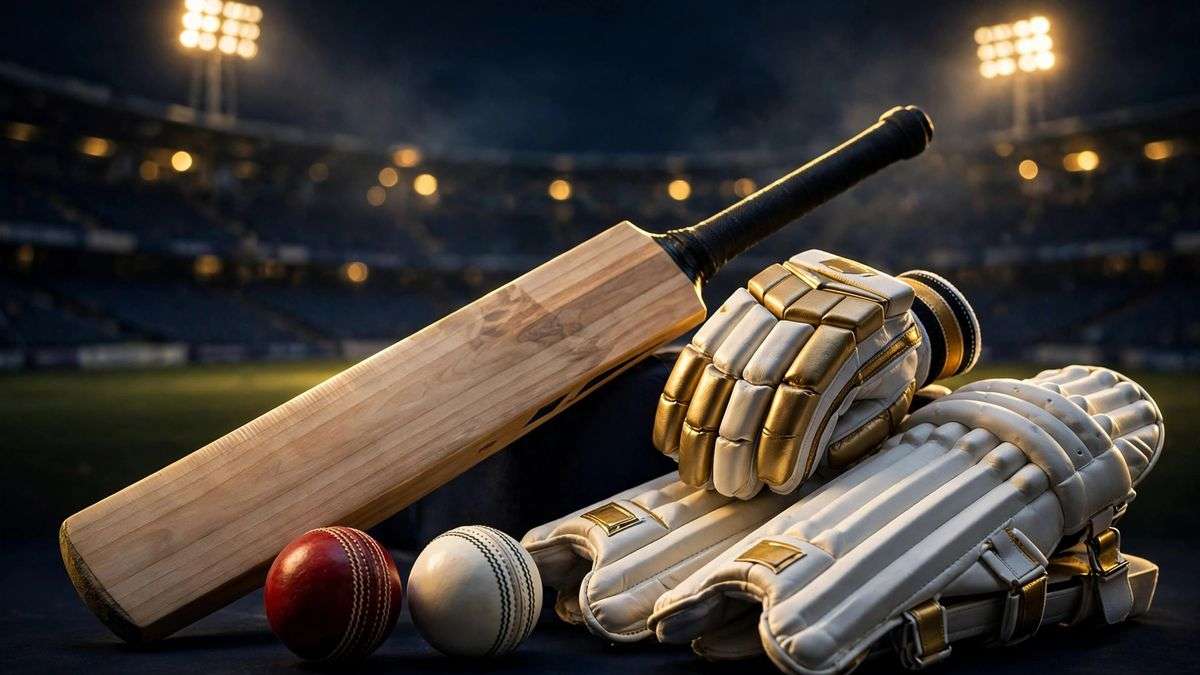
Scores of 250-plus change the equipment conversation. Batters are swinging harder, earlier, with bats built for a clean pick-up and a long middle. Keepers stand up to medium pace and take balls at face height. Fielders dive on outfields from Mumbai to Colombo in February heat.
- English willow bats — profiles built for the modern T20 swing.
- Wicket keeping gloves — Samson's month was played behind the stumps as well as in front of them.
- Cricket shoes — grip for heavy outfields and hard turns in the deep.
- Cricket accessories — grips, guards and the small things that fail first.
Sources & credits
- Mint Affairs — tournament results, awards and records: https://www.mintaffairs.com/important-current-affairs/icc-mens-t20-world-cup-2026
- ICC Event Review Pack (official statistics): https://images.icc-cricket.com/image/upload/prd/s6rgrf3xlp2ii03umb1l.pdf
- Live Mint — most runs, most wickets, full awards list: https://origin-pre-prod.livemint.com/sports/india-vs-new-zealand-t20-world-cup-2026-most-wickets-most-runs-complete-list-of-awards-all-you-need-to-know-11772986979941.html
- Wikipedia — 2026 Men's T20 World Cup final: https://en.wikipedia.org/wiki/2026_Men's_T20_World_Cup_final
- ICC Cricket Schedule — full batting and bowling leaderboards: https://www.icccricketschedule.com/icc-t20-world-cup-2026-most-runs-most-wickets-and-all-bowling-and-batting-stats-of-2026-t20-world-cup/
- ICC — the road to the 2028 T20 World Cups: https://www.icc-cricket.com/news/the-road-to-2028-t20-world-cups-takes-shape
- Video: ICC (official YouTube channel) — final highlights embed listed in this post's media.
- ESPNcricinfo — India v New Zealand final scorecard (fall of wickets, bowling figures, ball-by-ball): https://www.cricinfo.com/series/icc-men-s-t20-world-cup-2025-26-1502138/india-vs-new-zealand-final-1512773/full-scorecard
- Cricbuzz — Finn Allen's record ton puts New Zealand in final (McConchie 2/9, Ravindra 2/29, Allen four dot balls): https://www.cricbuzz.com/cricket-news/137965/finn-allens-record-ton-puts-new-zealand-in-final
- Cricbuzz — India v West Indies, Super 8, ball-by-ball (Samson 97 not out, chase of 196): https://www.cricbuzz.com/live-cricket-scores/139461/vs-west-indies-2026-03-01-eden-gardens
- CricToday — South Africa beat India by 76 runs, Super 8 (Bumrah 3/15, Jansen 4/22, India 111): https://crictoday.com/cricket/news/t20-world-cup-2026-india-falter-as-south-africa-claim-76-run-win-in-super-8-match/
- Cricbuzz — India withstand Bethell heroics to reach the final (death bowling, 253 v 246): https://www.cricbuzz.com/live-cricket-scores/139478/icc-mens-t20-world-cup-2026-2nd-semi-final
Scores, awards and records are match facts from these sources; the writing is our own and no scorecards are reproduced.
Moor Gears is an independent cricket equipment retailer based in Round Rock, Texas, and is not affiliated with or endorsed by the ICC or any team mentioned.