
Twenty-seven years. That is how long South African cricket waited between ICC trophies — from the 1998 KnockOut Trophy to the morning of 14 June 2025 at Lord's, when Kyle Verreynne drove Mitchell Starc through the covers and the ICC World Test Championship final was over. South Africa 282/5, chasing 282, beating Australia by five wickets. Aiden Markram made 136. Kagiso Rabada took nine wickets in the match. Temba Bavuma, captaining a side the cricket world kept calling nearly-men, lifted the mace.
Match summary
- Australia: 212 (56.4 overs) & 207 (65 overs) — Beau Webster 72, Steve Smith 66; Mitchell Starc 58*; Kagiso Rabada 5/51 & 4/59
- South Africa: 138 (57.1 overs) & 282/5 (83.4 overs) — David Bedingham 45; Aiden Markram 136, Temba Bavuma 66; Pat Cummins 6/28
- Result: South Africa won by 5 wickets
- Player of the match: Aiden Markram (South Africa) — 136 and two wickets
- Venue: Lord's, London · Dates: 11–14 June 2025
| Innings | Total | Top scorers | Best bowling |
|---|---|---|---|
| Australia 1st | 212 (56.4 overs) | Beau Webster 72, Steve Smith 66 | Kagiso Rabada 5/51, Marco Jansen 3/49 |
| South Africa 1st | 138 (57.1 overs) | David Bedingham 45 | Pat Cummins 6/28 |
| Australia 2nd | 207 (65 overs) | Mitchell Starc 58*, Alex Carey 43 | Kagiso Rabada 4/59, Lungi Ngidi 3/38 |
| South Africa 2nd | 282/5 (83.4 overs) | Aiden Markram 136, Temba Bavuma 66 | Mitchell Starc 3/66 |
Day 1: Rabada sets the match alight
Bavuma won the toss and bowled — a brave call at Lord's that Rabada justified within the first session. Australia were bowled out for 212 in 56.4 overs. Rabada took 5/51, Marco Jansen 3/49, and only Beau Webster (72, on his first tour as a Test regular) and Steve Smith (66) resisted for long. Smith's dismissal was a curiosity: part-time spinner Markram brought on as a change-up, Smith driving, Jansen juggling the catch at slip and holding it at the third attempt.
Then Australia's bowlers answered. By the close, South Africa were 43/4, and the final looked like a low-scoring shootout on a pitch doing just enough.
Day 2: Cummins rips through, Starc digs in
Pat Cummins produced the best bowling of the match: 6/28, as South Africa were bowled out for 138 — a 74-run deficit that felt decisive. Bedingham's 45 was the only innings of substance. But Australia's second innings did not run away with the game. Rabada struck again, Lungi Ngidi took 3/38, and when stumps came Australia were 144/8, with Mitchell Starc at the crease. The lead was 218 and growing by the hour in importance.
Day 3: Starc's fifty, then the Markram–Bavuma stand
Starc finished 58 not out — a number ten's innings that pushed the target to 282 and, on that pitch, made Australia favourites. South Africa lost two early wickets in the chase, and at that point the old story was writing itself again.
Markram and Bavuma rewrote it. Across the afternoon and evening they built the partnership of the match — patient against Cummins and Hazlewood, ruthless against anything loose, running hard between the wickets. By the close South Africa were 213/2: Markram 102 not out, Bavuma 65 not out, 69 runs needed, a day and a session to get them.
Day 4: nerves, then release
Sixty-nine runs is nothing and everything when your country has waited 27 years. Bavuma fell early for 66, Tristan Stubbs followed, and when Markram — 136 from 207 balls, the first South African to score a century in a WTC final and only the third player ever to do it — was caught off Hazlewood with the finish in sight, Lord's went quiet for a moment. Bedingham (21 not out) and Verreynne (4 not out) saw it through. Verreynne drove Starc through the covers for the winning run: 282/5, five wickets in hand, and a balcony that emptied onto the outfield.
The performances that won it
Kagiso Rabada — 9 wickets in the match. Five in the first innings, four in the second, and the wickets that mattered: he removed set batters in both innings and never let Australia's top order settle. On the biggest week of his career, South Africa's spearhead bowled like it.
Aiden Markram — 136 and two wickets. A duck in the first innings, then the defining innings of the final when his team needed 282 in the fourth innings at Lord's. Add Smith's wicket with his off-spin on day one and this was as complete a match as a player can have.
Pat Cummins — 6/28. In a losing cause, the Australian captain's spell on day two was world-class fast bowling: full, straight, relentless. Australia's defence of the mace failed with the bat, not the ball — 212 and 207 was never going to be enough cushion, Starc's fifty notwithstanding.
What it means
South Africa's ICC history is a catalogue of rain rules, run-outs and semi-final collapses. This team — top of the league table, seven straight Test wins coming in, a captain written off by plenty — won the final the hard way: behind after two innings, chasing the biggest total of the match in the fourth innings, at the home of cricket. The "chokers" label does not survive this. Neither does any argument that the World Test Championship final is a coin toss: the two best teams in the cycle played it, and the better team across the two years won it.
The numbers
The final closed the 2023–25 cycle — here are its leaderboards:
Top five run-scorers in the WTC 2023–25 cycle:
| Player | Team | Runs | Average |
|---|---|---|---|
| Joe Root | England | 1,968 | 54.66 |
| Yashasvi Jaiswal | India | 1,798 | 52.88 |
| Ben Duckett | England | 1,470 | 36.75 |
| Harry Brook | England | 1,463 | 50.44 |
| Usman Khawaja | Australia | 1,428 | 39.66 |

Top run-scorers — WTC 2023–25 cycle — Chart: Moor Gears
Top five wicket-takers in the WTC 2023–25 cycle:
| Player | Team | Wickets | Average |
|---|---|---|---|
| Pat Cummins | Australia | 80 | 23.48 |
| Jasprit Bumrah | India | 77 | 15.09 |
| Mitchell Starc | Australia | 77 | 26.89 |
| Nathan Lyon | Australia | 66 | 25.18 |
| Ravichandran Ashwin | India | 63 | 24.55 |

Top wicket-takers — WTC 2023–25 cycle — Chart: Moor Gears
One line jumps off the page: not a single South African appears in either top five, yet South Africa won the championship. Khawaja was the only finalist in the run chart, while Australia owned three of the five bowling spots. The Proteas won this title with contributions spread so evenly that no leaderboard noticed them coming.
What went right
For South Africa — the big moments had owners. Rabada took nine wickets in the match (5/51 and 4/59), striking in both innings before Australia's batters could settle. Then, chasing 282 — the biggest total of the match, in the fourth innings, at Lord's — Markram made 136 from 207 balls and Bavuma 66 alongside him. When the game asked its hardest questions, South Africa's two most important players answered them.
For South Africa — they refused the collapse. Bowled out for 138 and 74 runs behind, the old script said this ends in a three-day defeat and another decade of jokes. Instead Ngidi's 3/38 helped bowl Australia out for 207 second time around, and the chase was built patiently rather than panicked.
For Australia — the bowling nearly saved them anyway. Cummins took 6/28, the best figures of the match, and finished the cycle as its top wicket-taker with 80 wickets at 23.48. Starc took five wickets in the match, including 3/66 in the chase, and made 58 not out with the bat. Australia lost this final; their attack did not.
What went wrong
For Australia — the batting, plainly. Totals of 212 and 207 are a problem you cannot bowl your way out of twice. In the first innings only Webster (72) and Smith (66) passed fifty. In the second, the top score belonged to Starc — the number ten, with 58 not out — while Carey (43) was the best of the recognised batters. When your tail is your resistance, the top order has already told the story.
For Australia — spin went missing. Lyon, who took 66 wickets at 25.18 across the cycle, went wicket-less in the final. On a pitch where part-timer Markram picked up Smith on day one, Lyon could not buy a breakthrough when the chase needed breaking up.
For South Africa — the first innings nearly buried them. A duck for Markram, 138 all out, and only Bedingham's 45 standing between South Africa and an embarrassing total. Cummins at 6/28 was magnificent, but too many wickets were given to pressure rather than to unplayable balls. They won the final in spite of their first innings, not because of it.
Emerging names
- Beau Webster (Australia) — top-scored in Australia's first innings with 72, in a final, against Rabada and Jansen, when Smith was the only other Australian to pass fifty. A 72 in a Lord's final while your team makes 212 announces a Test cricketer.
- David Bedingham (South Africa) — 45 in the first innings, when nobody else in his side reached that mark, then 21 not out to close the chase on day four. Two very different innings, both exactly what the scoreboard needed.
- Marco Jansen (South Africa) — 3/49 in the first innings, and he held the juggling slip catch that removed Smith — third attempt, no drama, eventually. The final was a reminder that South Africa's attack has a future as well as a present.
What to watch next
South Africa defend the mace in the 2025–27 cycle, which ends with a final at The Oval in June 2027. Was Lord's the release of 27 years of pressure, or the start of something longer? A team that wins a world title with no player in either cycle top five has room to get better, which should worry everyone else.
Australia's questions are about the batting order. Khawaja finished the cycle as their top run-scorer with 1,428 runs at 39.66, but at Lord's the runs came from Webster, at the start of his Test career, and Starc at number ten. Finding a top order that posts 300-plus in a final, rather than asking the bowlers to defend 212 and 207, is the job of the next cycle.
And Markram? Every South Africa innings for the next two years starts with the man whose 136 finished the 27-year wait.
The coach's eye
Change the end, change the bowler. Lungi Ngidi's first day was a problem: eight overs from the Pavilion End, 0/45 at 5.62 an over. On day two Bavuma switched him to the Nursery End, and the same bowler looked different. ESPNcricinfo's report noted tighter lines and lengths mostly just back of a good length. Ngidi bowled nine overs without a break — his second-longest spell in Test cricket — and took out Steve Smith and Beau Webster lbw before yorking Pat Cummins. Australia went from 48/3 to 73/7 in that stretch. A bowler short of rhythm is not always a bowler to drop. Sometimes he is bowling from the wrong end.
Cut the single, or the chase walks home. Stuart Broad, South Africa's bowling consultant turned commentator, called out Australia's fields on day three. With Nathan Lyon turning the ball past the bat and pushing it across Bavuma, Broad argued Australia needed a fielder saving the single, so a forward defence could not simply drop the ball and rotate strike. Without that fielder, Australia were letting South Africa get off strike too easily while the stand grew. On a slow pitch, pressure means keeping the same batter facing. Australia let the pair share the work instead.
Protect the partnership, not the runner. When Bavuma's hamstring went, batting coach Ashwell Prince said the staff weighed whether he should retire and risk breaking the stand. Both batters refused. Prince explained that Markram accepted twos would become ones and curbed his own running intensity so Bavuma could ease through it. Keep the set pair at the crease, accept slower running, and make the bowlers take a wicket to change the game.
What most people missed
The drop that cost a finger. Bavuma was on two when he edged Mitchell Starc to slip. Steve Smith, standing just 14 metres from the bat in a helmet because edges had been dying on the slow surface, could not react in time. The ball struck his right little finger, and Australia later confirmed a compound dislocation; Smith was sent to hospital and did not return after tea. Bavuma added 63 more runs before stumps.
The last-wicket stand nobody talks about. On the third morning, Mitchell Starc and Josh Hazlewood added 59 for the tenth wicket — their highest partnership in international cricket, passing their previous best of 55. It lifted the target to 282. The stand ended one minute before lunch, and the bowler was part-time off-spinner Aiden Markram.
A captain's record in a losing side. Pat Cummins's 6/28 was the best bowling by a captain at Lord's, passing Bob Willis's 6/101 for England against India in 1982, and it brought up his 300th Test wicket. Two days later, in a losing side, it was a footnote.
The bit that stays with you
Every club side has had this afternoon. Your captain pulls a hamstring halfway through a chase and refuses to come off, because a new batter would have to start again. So the running changes. Twos become ones. The partner at the other end turns down runs he would normally take, calls earlier, and quietly does the extra work without making a show of it. That was Markram and Bavuma at Lord's, with 27 years of history sitting on the result. The scale was different; the cricket was not. A kid watching with family could understand it without any commentary at all: two teammates deciding, between overs and between wickets, that they would get each other through it. South Africa did not win only with Rabada's wickets or Markram's hundred. They won in those shortened singles, in the patience of a partner who slowed himself down, and in a captain who stayed out there on one good leg because leaving felt like the bigger risk.
Gear corner
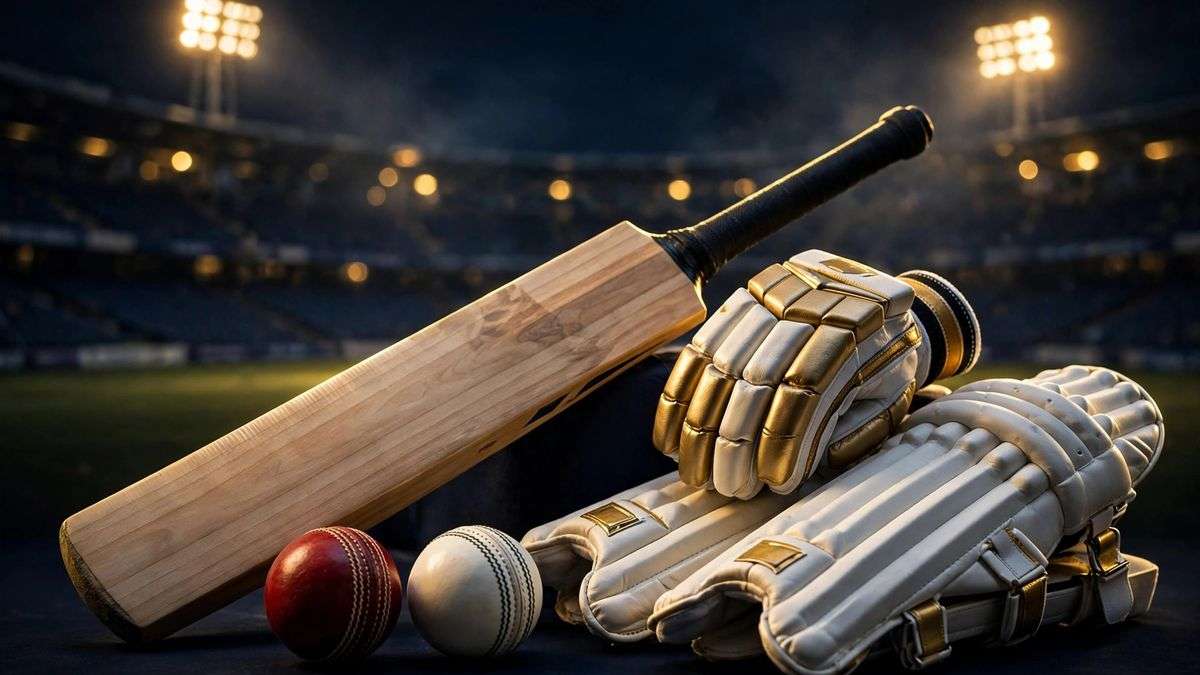
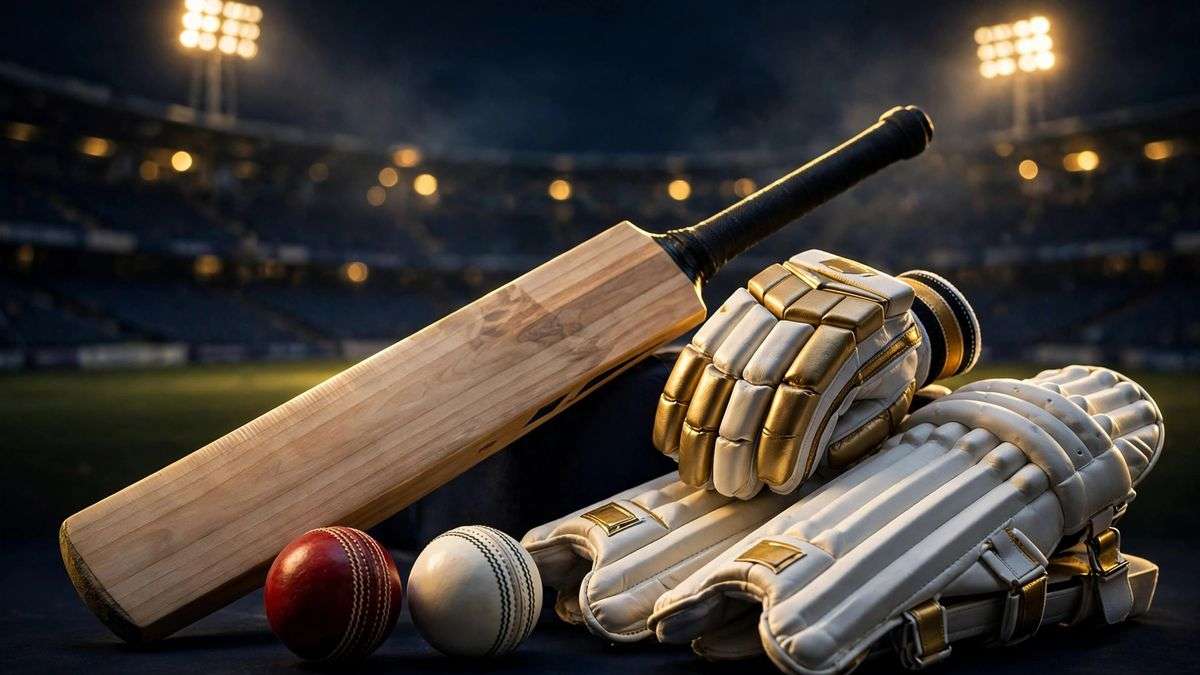
- Fourth-innings batting at Lord's. Markram's 136 off 207 balls was played with a straight bat and soft hands for six hours. That is what a well-balanced English willow bat is for — and why knocking-in and bat care matter more in red-ball cricket than any other format.
- Fast bowling on English pitches. Rabada and Cummins both swung the Dukes ball late. Seam bowlers need spikes that hold on a damp morning surface — see our cricket shoes.
- Test whites. Four days, one kit, no hiding place for poor fabric. Our whites clothing range covers club cricketers playing the long game.
- Keeping in a final. Verreynne and Alex Carey both kept tidily on a pitch with variable bounce. Our wicket-keeping gloves are built for exactly that low, late take.
Sources & credits
Compiled from the ICC's official final coverage and the match scorecard records listed in this file's source list.
Additional sources added for the enrichment pass (final scorecard and cycle leaderboards):
- ESPNcricinfo — match report, Australia v South Africa, WTC Final 2025: https://www.cricinfo.com/series/icc-world-test-championship-2023-2025-1345943/australia-vs-south-africa-final-1449769/match-report
- Cricket Pakistan — batting and bowling charts, WTC 2023–2025: https://cricketpakistan.com.pk/en/news/detail/who-dominated-batting-and-bowling-charts-in-wtc-20232025
- NewsBytes via US Fiji Times — top five wicket-takers in WTC 2023–25: https://usfijitimes.org/decoding-the-top-five-wicket-takers-in-wtc-2023-25
Additional sources added for the depth pass:
- ESPNcricinfo — Lungi Ngidi burst puts selection questions to bed: https://www.cricinfo.com/story/wtc-final-2025-aus-vs-sa-lungi-ngidi-burst-puts-selection-questions-to-bed-1489900
- Wisden — Stuart Broad criticises Australia's passiveness during WTC final run-chase: https://www.wisden.com/series/world-test-championship-2023-25/cricket-news/stuart-broad-criticises-australias-passiveness-during-wtc-final-run-chase
- ICC — Australia veteran sent to hospital after hurting finger: https://www.icc-cricket.com/tournaments/world-test-championship/news/australia-veteran-leaves-field-after-hurting-finger-in-catch?appview=true
- cricket.com.au — Proteas dare to dream of Test title after epic stand: https://www.cricket.com.au/news/4285185/australia-south-africa-day-three-world-test-championship-final-result-lords-match-report-scorecard-video-highlights-recap
- Sportskeeda (Ashwell Prince quotes via ESPNcricinfo) — Bavuma and Markram adamant on continuing: https://opera.sportskeeda.com/cricket/news-both-adamant-south-africa-coach-s-massive-statement-temba-bavuma-s-injury-sa-vs-aus-2025-wtc-final
- OB News — Bowlers continue to dominate as WTC final hangs in balance after second day (Cummins captain's record at Lord's): https://en-in.obnews.co/Index/flowNewsDetail/id/10856323.html?val=24cb5cf907dddc6e1a6bbfad8d11c2a8
Video: ICC (official website).
Moor Gears is an independent cricket equipment retailer based in Round Rock, Texas, and is not affiliated with or endorsed by the ICC or any team mentioned.