
Finals are supposed to be tight. The ICC U19 Men's World Cup 2026 final at Harare Sports Club on 6 February 2026 was over as a contest by the 26th over of the first innings, because Vaibhav Sooryavanshi played an innings junior cricket has never seen on this stage: 175 off 80 balls, 15 fours and 15 sixes, a hundred off 55 deliveries. India made 411 for 9 — the highest total in a U19 World Cup final — and beat England by 100 runs to take a record sixth title.
Match summary
Final — Harare Sports Club, Harare, 6 February 2026
- India 411/9 (50 overs) — Sooryavanshi 175 (80), Ayush Mhatre 53
- England 311 all out (40.2 overs) — Caleb Falconer 115 (67)
- Result: India won by 100 runs — the largest margin in a U19 World Cup final
- Player of the match: Vaibhav Sooryavanshi (India)
- Player of the tournament: Vaibhav Sooryavanshi (India) — 439 runs, 30 sixes
The final in numbers
| Innings | Score | Top scorers | Best bowling |
|---|---|---|---|
| India | 411/9 (50 overs) | Sooryavanshi 175 (80), Mhatre 53 (51), Kundu 40 (31) | Minto 3/63, Morgan 2/74, Green 2/49 |
| England | 311 all out (40.2 overs) | Falconer 115 (67), Dawkins 66 (56), Mayes 45 (28) | Ambrish 3/56, Chouhan 2/63, Devendran 2/64 |

Top scores in the final — India U19 v England U19, Harare — Chart: Moor Gears
The innings
India won the toss and batted. What followed was not slogging; it was placement at violent speed. Sooryavanshi's 150 runs in boundaries tell you the shape of it — he was not running England ragged, he was clearing the rope, several sixes sailing clean out of the ground. By the time Manny Lumsden finally had him caught by wicketkeeper Thomas Rew in the 26th over, India were past 250 and the final's arithmetic had changed completely.
Captain Ayush Mhatre's 53 mattered more than it will be remembered for. While Sooryavanshi attacked, Mhatre rotated, kept the innings' spine straight, and made sure England never got the two quick wickets that might have slowed the rate. James Minto's 3 for 63 was England's best return with the ball, earned the hard way.
England's chase: beaten, not embarrassed
Chasing 412, England needed a miracle and produced something better than surrender: 311, with Caleb Falconer hammering 115 off 67 balls from number five. The innings took Falconer to 309 runs for the tournament, sixth on the runs chart, and it kept England's rate honest deep into the chase. Ben Mayes added a 28-ball 45. The two sides combined for 722 runs, a final that gave the Harare crowd full value even after the result was settled.
RS Ambrish led India's bowling effort in the final with three wickets, closing a tournament in which he and Henil Patel took 11 each. England were bowled out in 40.2 overs, 100 runs short — the biggest winning margin by runs in the history of U19 World Cup finals.
Why this innings will be replayed for years
Context is what separates a big score from a landmark one. This was a World Cup final, against the tournament's best bowling attack, led by its leading wicket-taker. Sooryavanshi became the first player to win Player of the Final and Player of the Tournament at the same U19 World Cup. His 30 sixes across the event are a tournament record. And his strike rate for the final — 218.75 — was achieved without a single mishit streak: 150 of the 175 came in boundaries.
England's players shook his hand as he walked off. At this level, opponents know exactly what they have just seen.
The two roads to Harare
England arrived at the final the harder way. Their semi-final against defending champions Australia produced a hundred on each side — Thomas Rew's 110 for England, Oliver Peake's 100 in reply — and a 27-run win that knocked out the holders. Rew finished the tournament with 330 runs and 14 dismissals behind the stumps, and his keeping to Lumsden in the final, standing up and taking the Sooryavanshi dismissal cleanly, was as good as the glovework got all month.
India's semi-final, a seven-wicket chase against Afghanistan, looked routine only because their batting ran so deep. Afghanistan's Faisal Shinozada made 110 in that game, his second hundred of the knockout phase, and still finished on the losing side. A team that can absorb an opponent's hundred and chase inside 42 overs is a team built to win finals — which is what happened two days later.
A word for the runners-up
England leave with the tournament's top run-scorer (Mayes, 444), its top wicket-taker (Lumsden, 16), its wicketkeeper-captain prototype (Rew) and a number five who made 115 off 67 in a losing final (Falconer). That is not a failed campaign; it is a core. The gap on the day was one innings — the highest score ever made in a U19 World Cup final. There is no system answer to that. There is only the next cycle.
What an innings like that asks of a bat and gloves
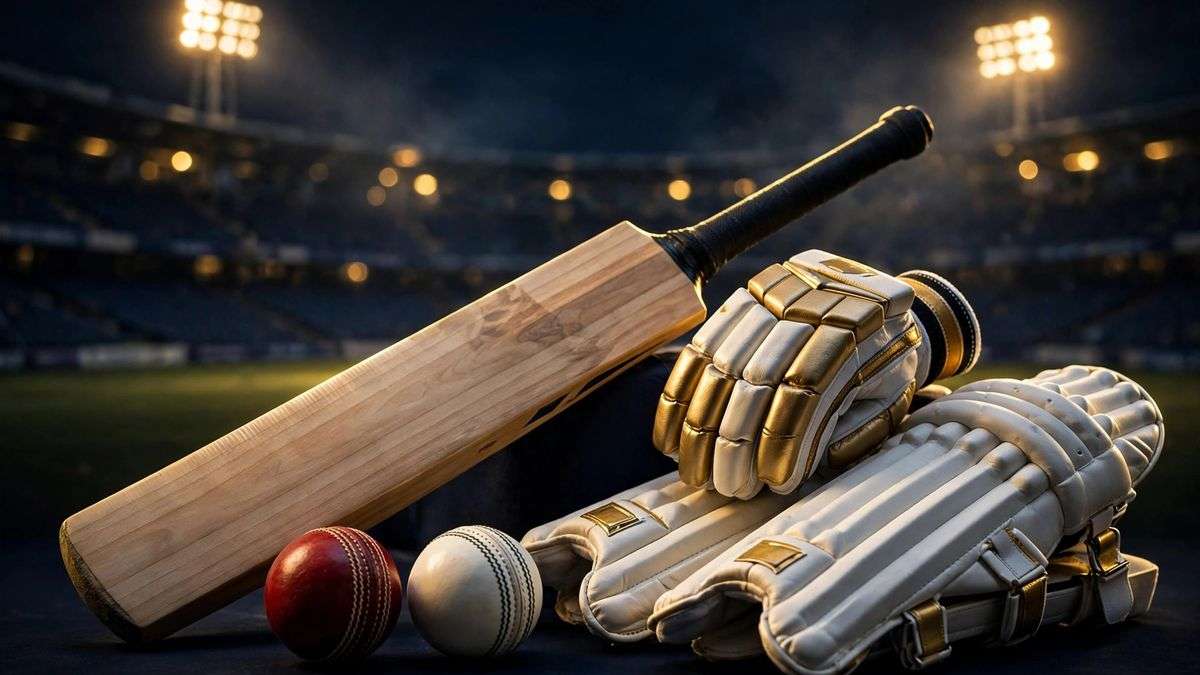
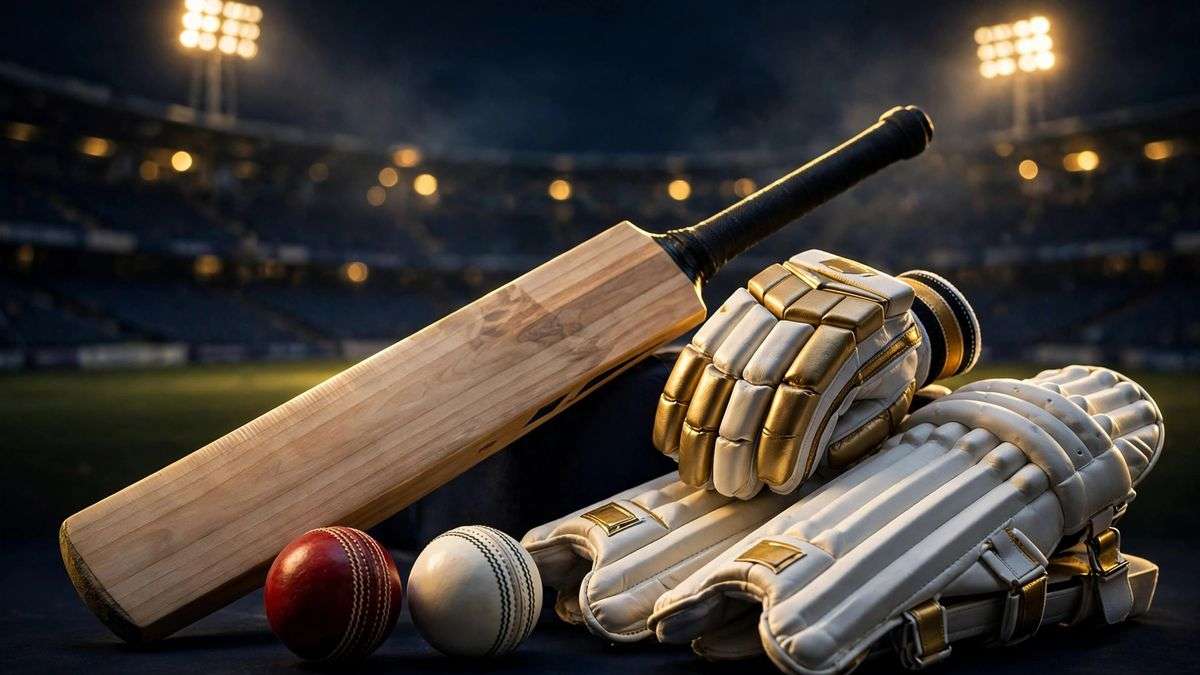
Eighty balls, 30 boundary attempts, full swings in Zimbabwean heat. Three equipment points from a fitter's chair:
- Pick-up and balance. A bat that feels light in the hands at ball 70, not just ball one, is what lets a player keep swinging through the innings. Balance point matters more than sticker weight.
- Grip that survives sweat. A worn or smooth grip twists on exactly the shots Sooryavanshi played all afternoon. Replace grips before they look finished.
- Gloves with real finger splits. Fifteen sixes means fifteen full-blooded swings against pace; protection that flexes with the hand keeps the bottom hand honest.
The tournament in numbers
Most runs — ICC U19 World Cup 2026
| Player | Team | Runs | Average | Strike rate |
|---|---|---|---|---|
| Ben Mayes | England | 444 | 74.00 | 112.41 |
| Vaibhav Sooryavanshi | India | 439 | 62.71 | 169.50 |
| Faisal Shinozada | Afghanistan | 435 | 87.00 | 107.14 |
| Thomas Rew | England | 330 | 66.00 | 105.10 |
| Viran Chamuditha | Sri Lanka | 310 | 62.00 | 122.05 |

Most runs — ICC U19 World Cup 2026 — Chart: Moor Gears
Most wickets — ICC U19 World Cup 2026
| Player | Team | Wickets | Average | Economy |
|---|---|---|---|---|
| Manny Lumsden | England | 16 | 16.06 | 4.90 |
| Nooristani Omarzai | Afghanistan | 14 | 14.50 | 4.23 |
| Ali Raza | Pakistan | 13 | 13.92 | 4.02 |
| Abdul Subhan | Pakistan | 12 | 9.83 | 2.93 |
| Al Fahad | Bangladesh | 12 | 14.75 | 4.66 |
What went right
For India: the pacing, first of all. Sooryavanshi was 24 off 24 balls at one stage — reading the new ball, not fighting it — and then detonated. Around him, Mhatre's 53 off 51 kept the innings organised, and the lower order still found 37 from Kanishk Chouhan to push past 400. With the ball, Ambrish's 3 for 56 in nine overs, starting with Joe Moores bowled early, stopped the chase becoming a genuine scare.
For England: the refusal to fold. Their 311 is the joint-highest total batting second in U19 World Cup history, and the 92-run eighth-wicket stand between Falconer and James Minto — after they had slumped to 177 for 7 — was the partnership of a side that had decided to enjoy the fight. Dawkins' 66 off 56 at the top gave the chase its early shape. England arrived unbeaten and left beaten by one innings, not by a system failure.
What went wrong
For England: the bowling plans met a batter they did not cover. Rew said afterwards that England had done their research and set their plans — and none of it survived contact. Lumsden, the tournament's best bowler, went for 1 for 81; Farhan Ahmed's ten overs cost 77 without a wicket. When your two most-used bowlers concede 158 between them, the final is gone.
For India: honestly, the list is short, and it is mostly about the defence of 411 being looser than it needed to be. Deepesh Devendran's two wickets cost 64, England scored at 7.71 an over, and a better chasing side might have made the last ten overs uncomfortable. It is a footnote on a famous day — but India's coaches will still circle it, because footnotes are what they do.
Emerging names
- Caleb Falconer (England) — 115 off 67 in a World Cup final, from number five, chasing 412. It is the only hundred in U19 World Cup final history made in a losing cause, and it kept the match's 722-run aggregate honest.
- Ben Dawkins (England) — 66 off 56 opening the chase. Less celebrated than Falconer, just as brave, and the reason England were 93 for 1 before the slide.
- James Minto (England) — 3 for 63 with the ball against that innings, then 28 in the eighth-wicket stand. All-round final performances at 18 tend to travel.
- Aaron George (India) — only 9 in the final, but his 115 in the semi-final chase is why India were in Harare at all. Finals squads are built across three weeks, not one afternoon.
What to watch next
Start with the obvious: Sooryavanshi's next twelve months. The sequel has, in fact, already screened — in IPL 2026 he made 776 runs for Rajasthan Royals at a strike rate of 237.31, with 72 sixes, an Orange Cap and the league's MVP award, the youngest winner in its history. The question is no longer whether he plays senior cricket for India, but how soon the selectors stop pretending it is a question.
For England, the Mayes-Rew-Falconer-Lumsden core moves into the Lions pathway with a shared scar and a shared standard. The next U19 World Cup is in 2028; the more interesting race is which of this final's twenty-two players gets a senior cap first.
The coach's eye
Watch Sooryavanshi's first 24 balls, not the highlights. He was 24 off 24 at one stage — reading the new ball, not fighting it — and finished with 175 off 80, a hundred off 55. The acceleration worked because the start was calm. A young batter who tries to match his final strike rate of 218.75 from ball one will learn the wrong lesson. The innings was built in two gears, and the first gear made the second one possible.
Ayush Mhatre's 53 off 51 is the partner's job done properly. While Sooryavanshi attacked, Mhatre rotated strike and kept the innings organised, so England never got the two quick wickets that might have forced a rebuild. Coaches call this holding the other end. In a final, with 411 on the board, it was worth as much as a boundary burst.
England's problem was specific. Manny Lumsden, the tournament's leading wicket-taker, went for 1 for 81, and Farhan Ahmed's ten overs cost 77 without a wicket — 158 runs from their two most-used bowlers. Thomas Rew said afterwards that England had done their research and set their plans, and none of it survived contact. That admission is the coaching point: a plan needs a second version ready before the first one fails, not after 250 is on the board.
With the ball, RS Ambrish gave India the start the chase could not afford. His 3 for 56 in nine overs began with Joe Moores bowled early, and it kept a 412 chase from ever settling into a rhythm.
What most people missed
England's chase had a shape before it slid. Ben Dawkins made 66 off 56 and England were 93 for 1. The collapse to 177 for 7 is what the scorecard shows first, but the opening stand is why India could not relax while defending 411.
The stand that followed the collapse matters more. Caleb Falconer and James Minto put on 92 for the eighth wicket after that slump to 177 for 7. Falconer's 115 off 67 will be remembered. Minto's part in keeping him company, after already taking 3 for 63 against India's innings, is the bit the highlights skip.
Put England's 311 in its proper frame and it changes the story of the day. It is the joint-highest total batting second in U19 World Cup history. England did not lose the final because their batting failed. They lost it because 411 had already moved the match out of reach, and Thomas Rew's take down the leg side to dismiss Sooryavanshi — a gloved slog sweep off Lumsden, on the tournament's biggest innings — came in the 26th over, after the damage was done.
The bit that stays with you
England's players shook Sooryavanshi's hand as he walked off. Hold that picture for a second. You have spent weeks preparing for a final, your plans have just been hit out of the ground, and the lad who did it is walking past you at 175. You shake his hand anyway, because you know what you have seen and because, at some level, every cricketer is a fan first. Club players know a smaller version of this. The opponent who ruins your Saturday with a hundred you could not stop, and whom you buy a drink for afterwards, not out of politeness but out of respect for a thing done well. Falconer answered with 115 of his own in a lost chase, which is the other half of the same feeling: the scoreboard has beaten you, and you play properly anyway. That is the part of Harare that travels home with you.
Gear corner
- English willow bats — for players stepping up to serious hard-ball cricket.
- Batting gloves — finger protection built for pace.
- Bat grip — the cheapest performance upgrade in the kit bag.
- Bat care — knocking-in and oiling keep a willow bat match-ready for seasons, not months.
Sources & credits
- CricNerds — winners list and final details: https://cricnerds.com/cricket-records/every-u19-world-cup-winners/
- Jagran Josh — final result, awards, most runs and wickets: https://www.jagranjosh.com/general-knowledge/icc-under-19-world-cup-2026-winner-most-runs-wickets-player-of-the-tournament-and-prize-money-1820006181-1
- Cricbuzz — final commentary and match videos listing: https://www.cricbuzz.com/live-cricket-scores/138680/engu19-vs-indu19-final-icc-under-19-world-cup-2026
- The SportsTak — final highlights summary: https://thesportstak.com/cricket/match/eng-u19-vs-ind-u19-final-icc-under-19-cricket-world-cup-06-february-2026-267881/highlights
- ESPNcricinfo — full final scorecard: https://www.espn.ph/cricket/series/8368/scorecard/1511890/england-19s-vs-india-19s-final-19s-world-cup
- ICC Cricket Schedule — tournament batting and bowling leaderboards: https://www.icccricketschedule.com/icc-u19-world-cup-2026-players-with-most-runs-most-wickets-and-all-stats/
- ESPNcricinfo — Rajasthan Royals season record (Sooryavanshi's IPL 2026): https://www.cricinfo.com/team/rajasthan-royals-335977
Media note: no official ICC YouTube URL for this final was verified in our research, so no video is embedded. Scores and awards are match facts; this report is original writing.
Moor Gears is an independent cricket equipment retailer based in Round Rock, Texas, and is not affiliated with or endorsed by the ICC or any team mentioned.